Sue Pike. 03/01/26
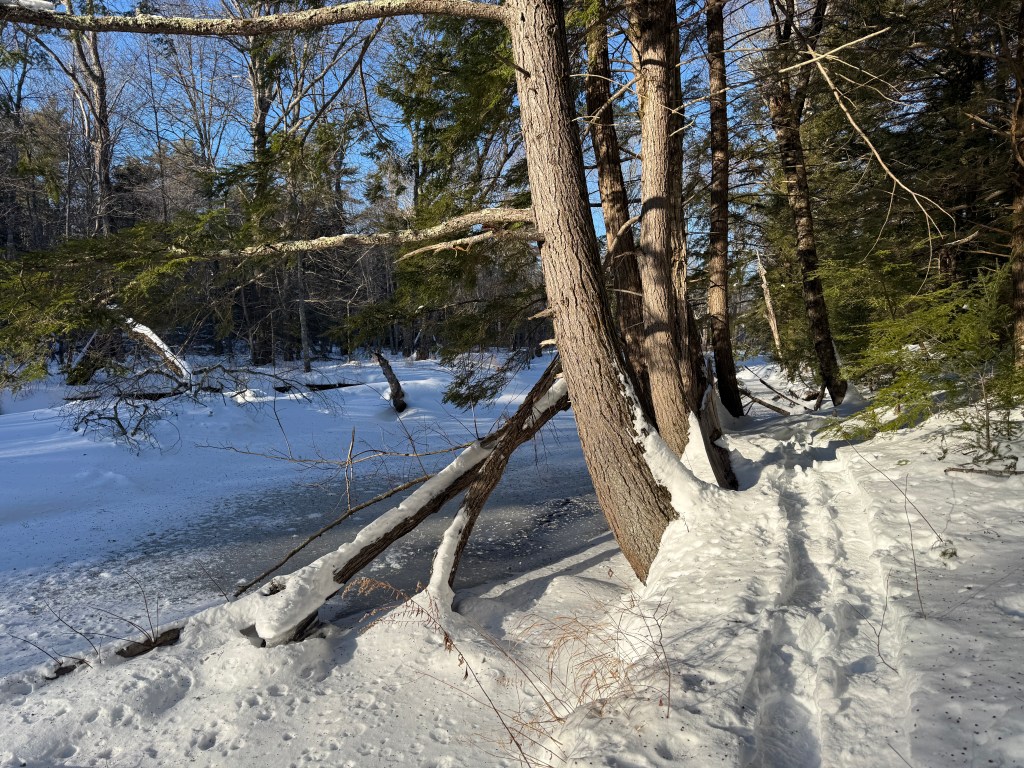
Writing this in the middle of a blizzard, it doesn’t seem like spring is coming, but it is. As winter loosens its grip on the Seacoast area, a series of predictable but fascinating changes will begin to unfold: buds swelling on red maples; wood frogs and salamanders embarking on their nighttime migrations; the first warblers arriving from the south. Even the timing of insect hatchings is part of a larger story playing out around us. But those are all happening later, my first sign of spring this year was early and a bit more subtle.
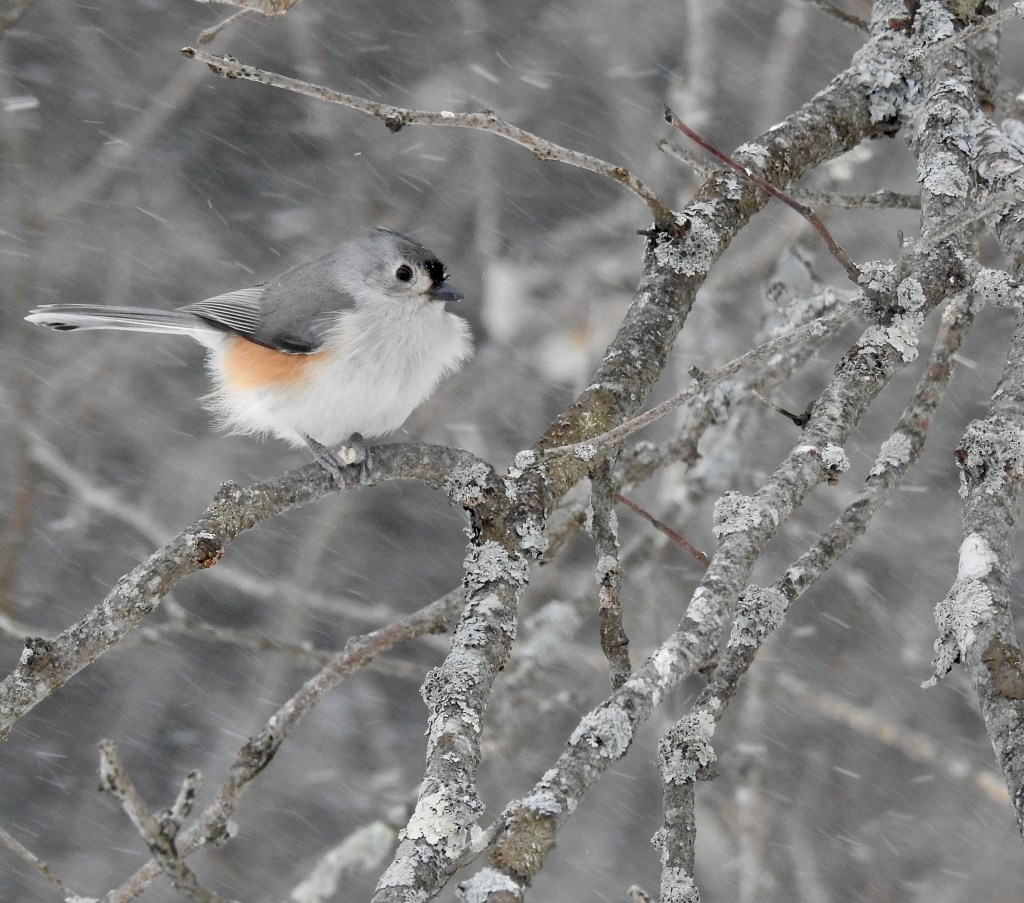
During that warm spell last week, I was up and out early, just in time to hear my first dawn chorus. “Dawn chorus” is an exaggeration, as it was only one bird, but on that warm (20-degree), sunny morning a tufted titmouse was singing, not just any song, but its territorial song, heralding the upcoming breeding season. With all this snow and cold, it seems too early to even contemplate spring, but nature follows a celestial clock. As days lengthen, many organisms start their preparation for spring despite the weather. These seasonal changes are an area of active research under the umbrella of phenology, the science of seasonal change and the natural cycles of ecosystems.
Plants react to photoperiod
This is the time of year, late February, when we start to notice the longer and longer days—we are gaining one to two minutes of sunlight every day! Those red maples and titmice are responding to longer days in a similar way. Increased day length triggers the release of hormones, which in turn triggers seasonal change.
Plants, like the red maple, have pigments called phytochromes located just under the tree’s bark that detect light and regulate growth. In late winter and early spring, phytochromes detect both increasing photoperiod (the ratio of light to dark hours in a day) and increasing temperature and signal the tree to release hormones that cause the plant to end dormancy and resume growth. We can’t see this hormonal cascade, but we can see the results – the sap rises and buds begin to rehydrate and swell. Like plants, many animals are also attuned to increasing photoperiod and also use hormones to regulate their responses.

Animals respond to photoperiod too
My dawn-singing tufted titmouse, a year-round resident, has photoreceptors in its brain (as do most other birds) that collect information about photoperiod. As days lengthen, these photoreceptors stimulate the hypothalamus to release gonadotropin-releasing hormone, which, as the name suggests, stimulates reproductive changes, for example, the release of testosterone in males and estrogen in females to ready the birds for successful reproduction. The increasing song frequency in spring is most likely regulated through a different pathway: photoreceptors in the pineal gland (also in the brain) regulate the release of melatonin – a hormone that regulates not only sleep (the reason most of us have heard of melatonin) but also increasing song frequency in spring (if you are a bird). These changes were hinted at in that preview of a dawn chorus last week.
I strongly believe in living for the moment, so it is not so much that I am eagerly anticipating spring but that I am fascinated by the invisible hormonal and physiological shifts already underway – evidence that the season has begun, even if the landscape still insists it is winter.
 PIKES HIKES